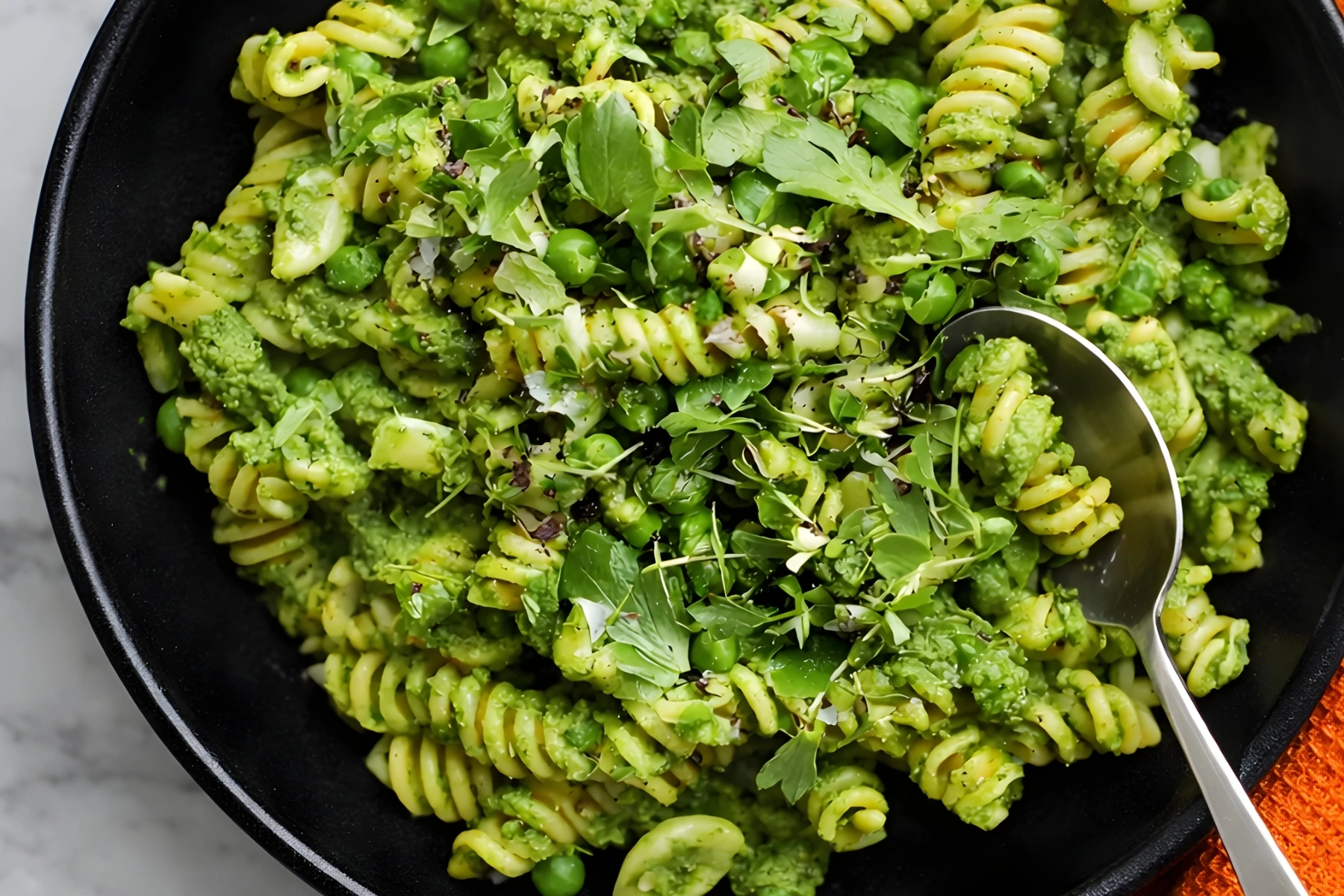
I can’t tell you how many times this spring pea pesto pasta has saved my weeknight dinners.
It’s quick, it’s green (hello, sneaky vegetables!), and most importantly, my kids devour it without complaints. As a busy mom who still wants dinner to feel thoughtful and nourishing, this is one of those go-to recipes that checks every box.
Let’s talk about how this beautiful bowl of green goodness comes together—and how you can make it your own.
Why You’ll Love This Spring Pea Pesto Pasta

If you’re anything like me, you’re constantly juggling between after-school pickups, homework battles, and trying to get something decent (and fast!) on the table. That’s exactly why I love this spring pea pesto pasta recipe.
It’s:
- Super quick (done in about 25 minutes)
- Packed with flavor and color
- Kid-friendly, but still elegant enough for adults
- Free from pork or alcohol
- Easily customizable depending on what you have in your fridge or pantry
Plus, it’s one of those rare vegetarian dinners that still feels satisfying. The creamy texture of the pesto, the bright flavor from lemon and herbs—honestly, it feels way fancier than the effort involved.
This dish pairs beautifully with a light salad like my Mediterranean Chickpea Salad or even with a warming side like the Crispy Air Fryer Potatoes when you’re craving something heartier.
Ingredients You’ll Need for Pea Pesto Pasta
Most of these ingredients are pantry or freezer staples for me, which means I can whip this up even when I haven’t made a grocery run in days.
For the Pasta
- 12 ounces rotini or fusilli pasta
(I love using rotini because it really grabs onto the pesto, but penne or bowties would work great too)
For the Pesto
- 1 ½ cups fresh or frozen green peas
- 1 cup fresh basil leaves
- ¼ cup fresh parsley leaves, plus more for garnish
- 1 garlic clove
- ¼ cup pine nuts or walnuts
- ½ cup grated Parmesan cheese
- ⅓ cup extra-virgin olive oil
- Juice of ½ lemon
- Salt and freshly ground black pepper to taste
Optional Garnishes
- Microgreens
- Extra Parmesan
- More fresh herbs
How to Make Spring Pea Pesto Pasta Step-by-Step
Here’s the best part—it’s simple enough for a beginner cook, but still gives you that “wow” moment when you sit down to eat.
1. Cook the Pasta
Start by bringing a big pot of salted water to a boil.
Add your pasta and cook it according to the package directions until it’s just al dente. Before you drain it, scoop out about ½ cup of that pasta water—it’s liquid gold for loosening up the sauce later.
Set the cooked pasta aside.
2. Blanch the Peas
While the pasta cooks, go ahead and blanch the peas. Just toss them into the same boiling water for about 1–2 minutes.
As soon as they’re bright green and tender, drain them and immediately plunge them into ice water. This stops them from cooking further and locks in that vibrant green color.
Drain again after a minute or so.
3. Make the Pea Pesto
Now it’s time to get saucy.
In a food processor, combine:
- Blanched peas
- Basil
- Parsley
- Garlic
- Nuts
- Parmesan
Pulse until everything is finely chopped. Then, with the motor running, drizzle in the olive oil slowly.
The mixture should turn into a rich, creamy pesto. Squeeze in the lemon juice for brightness and season with salt and pepper.
If the pesto seems too thick, add a bit of the reserved pasta water until you get the perfect consistency.
You can even double the pesto and use leftovers as a dip or as a base for Pesto Panini with Fresh Mozzarella, which is another favorite around here for lunchboxes or quick bites.
4. Toss and Serve
Pour the pesto over the warm pasta and toss gently to combine. Again, use some of that pasta water to help everything come together into a silky sauce.
Garnish with extra parsley, Parmesan, or a handful of microgreens.
Then serve it up and watch everyone fall in love.
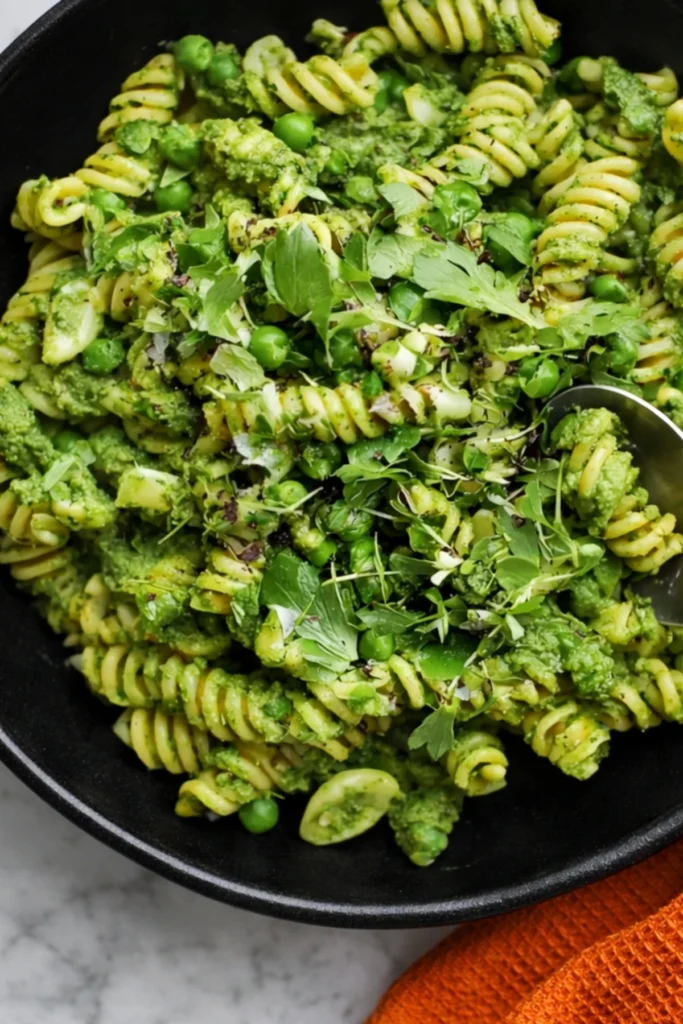
Real-Life Tips from My Kitchen to Yours
I’ve made this recipe more times than I can count, and along the way I’ve picked up a few helpful tricks:
- No basil? Use spinach, arugula, or even kale
- Allergic to nuts? Sunflower seeds work surprisingly well
- Need it vegan? Skip the cheese or use a vegan Parmesan alternative
- Want protein? Toss in shredded rotisserie chicken, sautéed shrimp, or white beans
- Leftovers? This pasta is great cold the next day as a green pasta salad. Just refresh with a little olive oil and lemon juice
Honestly, once you make this once, you’ll start riffing on it every week.
And if you’re in the mood for cozy fall vibes, you might also love this Creamy Pasta Primavera which brings a ton of seasonal veggie comfort to the table.
Why This Pea Pesto Pasta Deserves a Spot in Your Weekly Rotation
We all need a few go-to recipes that never let us down. This spring pea pesto pasta is one of those unicorn dishes:
- It’s bright and beautiful on the plate
- It’s full of fiber, veggies, and flavor
- It’s ready in under 30 minutes
- It makes dinnertime feel like less of a scramble and more of a celebration
And maybe most importantly—it brings everyone to the table with a smile.
How to Store and Reheat Leftovers
This pasta keeps well in the fridge for up to 3 days.
When reheating, add a splash of water or a drizzle of olive oil to bring back the creaminess. Or enjoy it cold as a pasta salad—it’s just as good.
You can also store the pesto separately in an airtight container for up to 4 days, or freeze it in small portions (ice cube trays work great for this!).
Looking for a sweet ending? Try these Miniature Baked Cheesecakes for an easy dessert that feels extra special without a ton of effort.
Nutritional Breakdown
- Prep Time: 10 minutes
- Cook Time: 15 minutes
- Total Time: 25 minutes
- Calories: ~450 per serving
- Servings: 4
FAQs – Spring Pea Pesto Pasta
Can I make the spring pea pesto pasta ahead of time?
Yes, you can absolutely prep it ahead. I often make the pea pesto a day or two in advance and store it in the fridge in an airtight container. When you’re ready to eat, just cook the pasta fresh, warm the pesto slightly if needed, and toss everything together. It’s perfect for busy weeknights.
Can I freeze the pea pesto?
You sure can! Pea pesto freezes beautifully. I recommend portioning it into small containers or ice cube trays. Once frozen, pop them into a freezer bag and use within 2–3 months. Just thaw in the fridge overnight or gently warm before using.
What other pasta shapes can I use?
While I love rotini or fusilli for how well they hold the pesto, you can also use:
Penne
Bowtie (farfalle)
Orecchiette
Spaghetti or linguine (though they won’t grab the sauce as much)
Use what you have on hand—it’s very forgiving.
Is this recipe kid-friendly?
In my house, it’s a winner with even the pickiest eaters. The bright green color makes it fun, and the mild sweetness of the peas helps ease any resistance to the green sauce. You can always stir in extra cheese or serve it with garlic bread to win them over.
Final Thoughts: A Simple Spring Pasta That Delivers Every Time
Whether you’re trying to get more veggies into your family’s diet, need a quick weeknight meal, or just love pasta (who doesn’t?), this spring pea pesto pasta belongs in your recipe box.
It’s flexible, fresh, and full of flavor—everything a home-cooked meal should be.
And hey, don’t stress if you don’t have every ingredient. Cooking isn’t about perfection—it’s about joy, nourishment, and sharing something made with love.
Save It, Share It, Pin It!
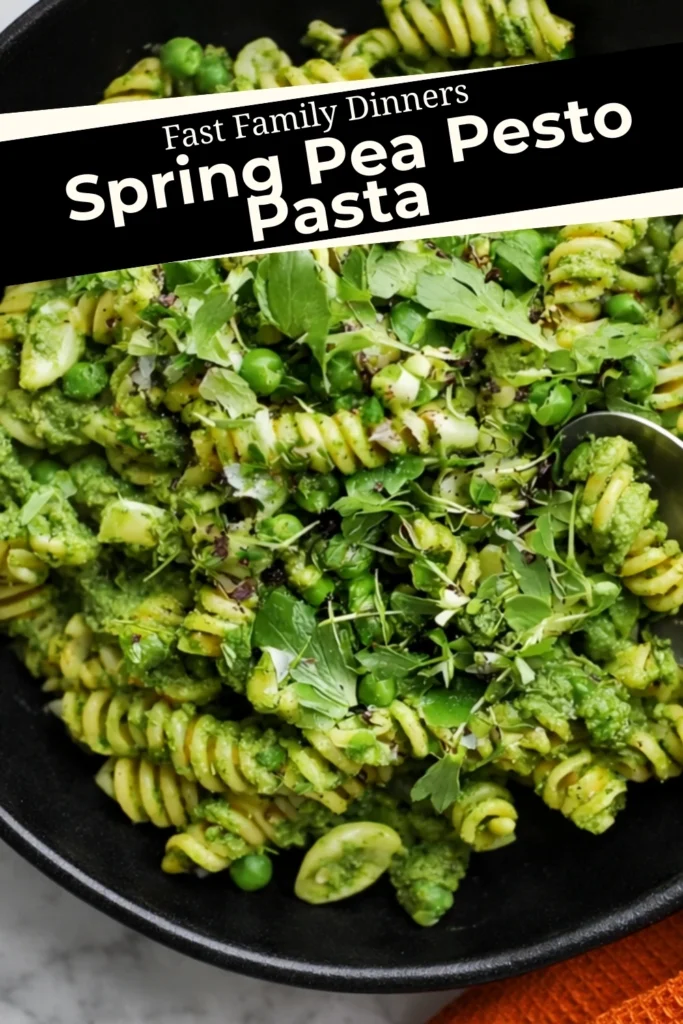
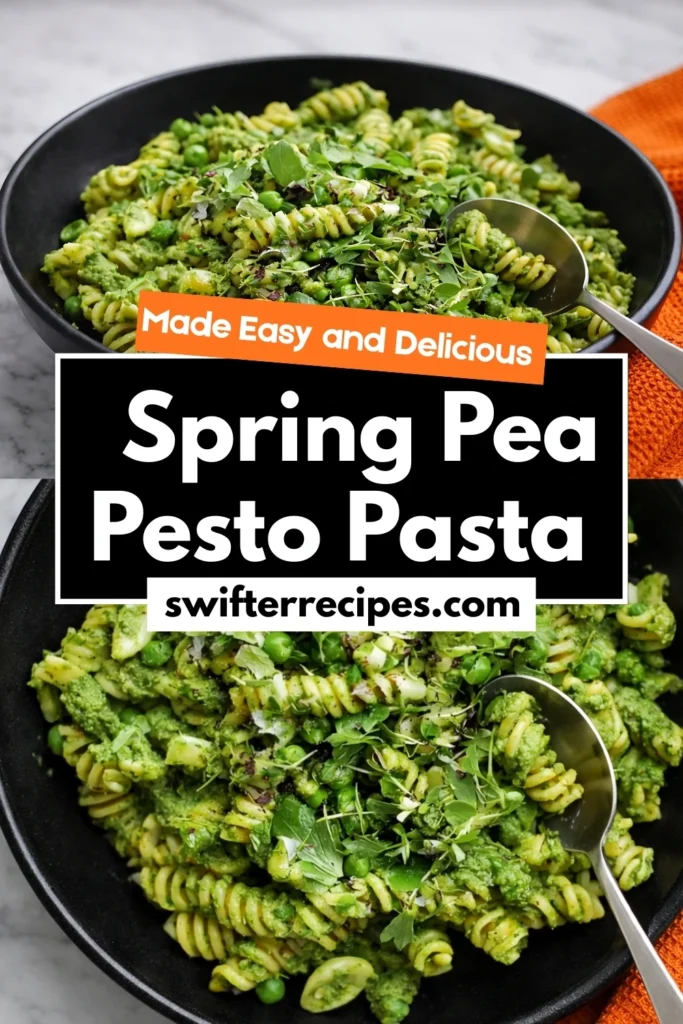
If this recipe made your life a little easier—or tastier—don’t forget to save it to Pinterest for later! And I’d love to hear how you make it your own.
Drop your favorite twist in the comments or tag me when you share your creation.
Print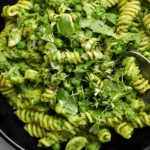
Spring Pea Pesto Pasta
- Total Time: 25 minutes
- Yield: 4 servings 1x
- Diet: Vegetarian
Description
A fresh, quick, and creamy green pasta made with sweet peas, herbs, and Parmesan that comes together in under 30 minutes. Perfect for busy weeknights and picky eaters.
Ingredients
- 12 ounces rotini or fusilli pasta
- 1 ½ cups fresh or frozen green peas
- 1 cup fresh basil leaves
- ¼ cup fresh parsley leaves, plus more for garnish
- 1 garlic clove
- ¼ cup pine nuts or walnuts
- ½ cup grated Parmesan cheese
- ⅓ cup extra-virgin olive oil
- Juice of ½ lemon
- Salt and freshly ground black pepper to taste
- Optional: Microgreens, extra Parmesan, more fresh herbs for garnish
Instructions
- Bring a large pot of salted water to a boil. Cook pasta according to package directions until al dente. Reserve ½ cup of pasta water and set pasta aside.
- Blanch peas in the same boiling water for 1–2 minutes until bright green and tender. Drain and plunge into ice water, then drain again.
- In a food processor, combine peas, basil, parsley, garlic, nuts, Parmesan. Pulse until finely chopped. With motor running, slowly drizzle in olive oil until creamy. Add lemon juice, salt, and pepper. Adjust with pasta water if needed.
- Toss warm pasta with pesto, using pasta water as needed to loosen the sauce.
- Garnish with parsley, microgreens, or extra Parmesan and serve.
Notes
No basil? Use spinach or arugula. Nut-free? Try sunflower seeds. Vegan? Omit cheese or sub with vegan Parm. Add protein like rotisserie chicken or white beans. Leftovers are great cold as pasta salad.
- Prep Time: 10 minutes
- Cook Time: 15 minutes
- Category: Dinner
- Method: Boiled
- Cuisine: Vegetarian
Nutrition
- Serving Size: 1 bowl
- Calories: 450
- Sugar: 3g
- Sodium: 360mg
- Fat: 22g
- Saturated Fat: 4g
- Unsaturated Fat: 16g
- Trans Fat: 0g
- Carbohydrates: 48g
- Fiber: 5g
- Protein: 14g
- Cholesterol: 10mg