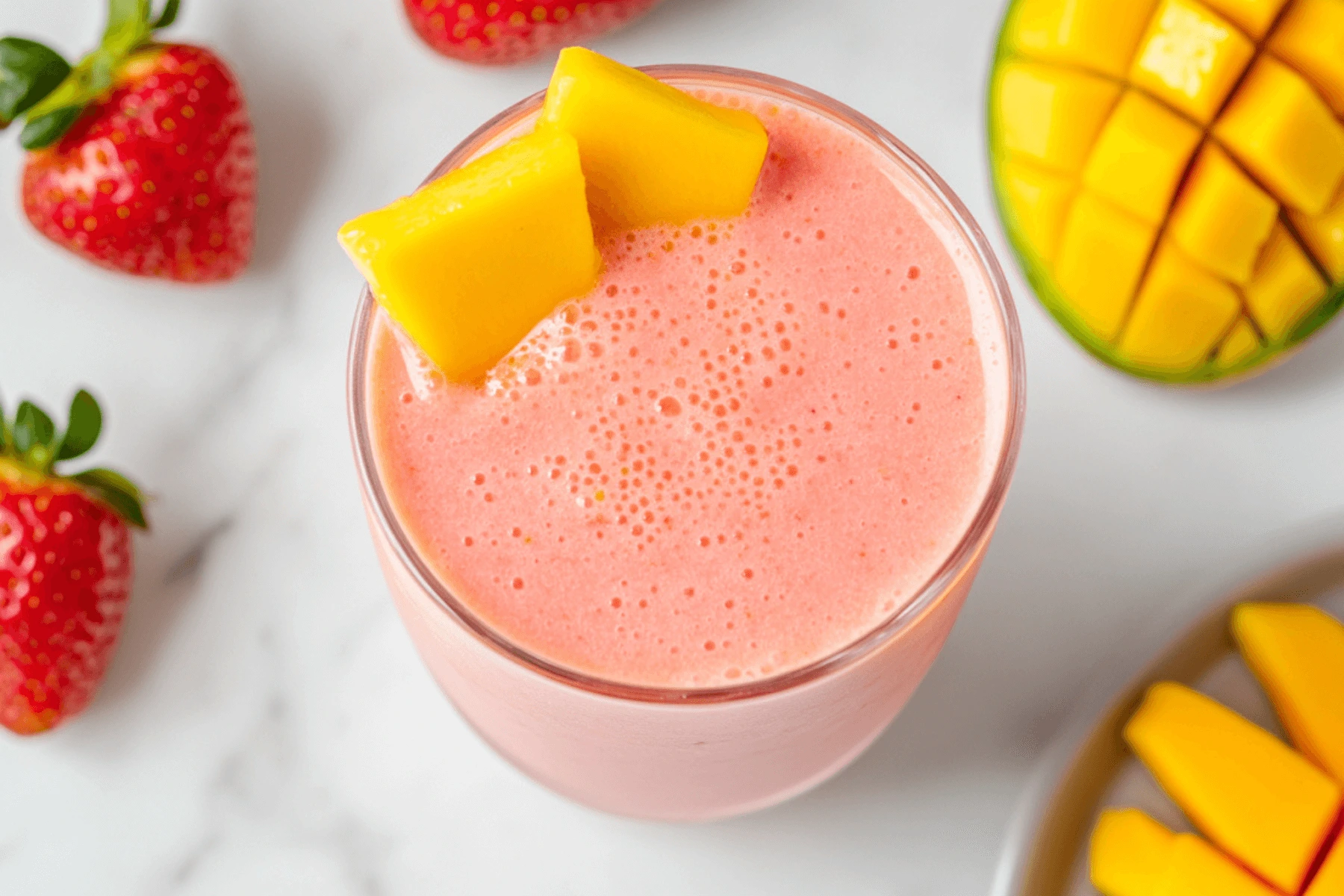
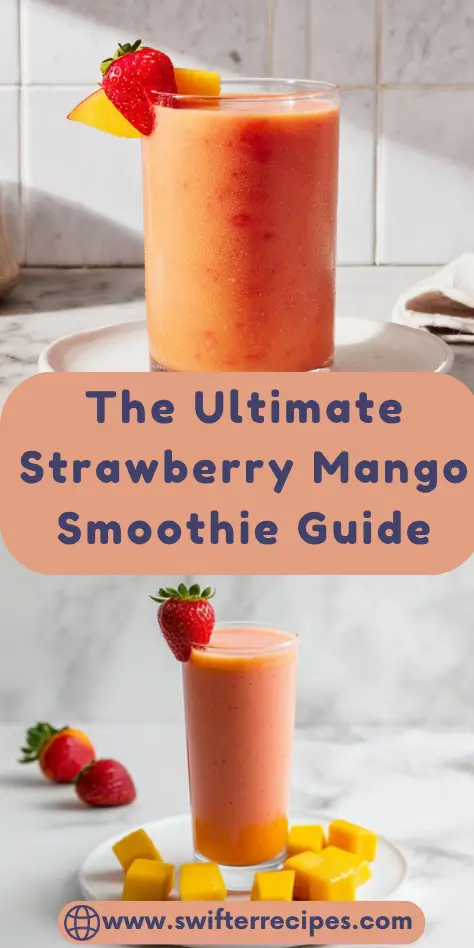
Picture this: You’re holding a vibrant, ice-cold smoothie, a luscious blend of strawberries and mangoes, bursting with tropical goodness. The sweetness of the mango combines perfectly with the tanginess of the strawberries, creating a flavor profile that’s both refreshing and indulgent. Whether you’re sipping on it as a quick breakfast or a post-workout treat, this strawberry mango smoothie doesn’t just satisfy your taste buds – it nourishes your body, too.
But why is this combo so irresistible? Not only do strawberries and mangoes taste amazing together, but they’re also packed with vitamins, fiber, and antioxidants that make this smoothie a healthy choice for anyone, from fitness enthusiasts to those just looking for a delicious and nutrient-dense snack. In this guide, I’ll walk you through everything you need to know – from the best blenders for fruit to expert tips on achieving that perfect texture, plus recipe variations to suit every dietary need!
Strawberries: Nutrition, Flavor, and Role in Smoothies
The Nutritional Powerhouse
Strawberries are not only irresistibly sweet and juicy but also offer an impressive array of nutrients that make them an essential addition to any smoothie. A single cup of strawberries contains more Vitamin C than an orange—about 85mg versus the 70mg found in a medium-sized orange. This high Vitamin C content makes strawberries an excellent choice for boosting immunity and promoting healthy skin. Plus, strawberries are an excellent source of fiber, which plays a crucial role in digestion and overall gut health.
But the benefits don’t stop there. Strawberries are also loaded with potassium, which helps regulate blood pressure and support healthy muscle function. Additionally, they are packed with antioxidants, particularly anthocyanins, the compounds responsible for their bright red color. These antioxidants help protect the body from oxidative stress and support heart health by reducing inflammation and protecting blood vessels.
Strawberries also contain a variety of other essential nutrients, such as folate (important for cell division and tissue growth) and manganese (which supports bone health and metabolic function). When blended into smoothies, strawberries provide a natural balance of sweetness and tartness, elevating the flavor of your drink while providing a nutritional punch.
The real magic happens when you blend strawberries into your smoothie. The pectin in strawberries not only contributes to their thick, satisfying texture, but it also helps bind other ingredients together, ensuring that every sip is velvety smooth. This natural thickening agent is perfect for creating smoothies that are creamy and rich, without needing to rely on extra sugar or artificial additives.
Fresh vs. Frozen: What Works Best?

Fresh Strawberries: The Seasonal Superstar
Fresh strawberries are best when in season, typically from late spring through early summer. During this time, strawberries are harvested at their peak of ripeness, meaning they’re packed with maximum flavor, juiciness, and vibrant color. When you cut into a ripe strawberry, you’ll notice its sweet, aromatic scent that fills the air, promising a deliciously fresh experience.
However, while fresh strawberries are amazing when they’re in season, they lose some of their flavor and texture when they’re out of season. Strawberries that are harvested early, often for distribution outside of peak season, are typically less sweet and sometimes watery. This can affect the overall taste and texture of your smoothie.
Best for fresh strawberries:
- When strawberries are in season, enjoy them for their bright color and superior flavor
- Use fresh strawberries in recipes where you want a firmer texture
- Perfect for when you want to enjoy that fresh “straight from the garden” taste
Frozen Strawberries: A Year-Round Favorite
While fresh strawberries are delightful when in season, my go-to option for smoothies is frozen strawberries—and for good reason! Frozen strawberries are flash-frozen at their peak ripeness, meaning that they maintain their sweetness, color, and flavor longer than fresh strawberries can. In fact, frozen strawberries can be more flavorful than fresh out-of-season berries.
Frozen fruit is also a smoothie-maker’s best friend because it eliminates the need for ice, which can water down your smoothie. Instead, frozen strawberries provide that same cool, refreshing texture without the dilution. The thick consistency created by frozen fruit helps you achieve that creamy, velvety texture that makes your smoothie feel like a treat.
Another benefit of frozen strawberries is convenience. You can keep a stock of them in your freezer, meaning you’re always ready to make a smoothie without worrying about the fruit going bad. This makes frozen strawberries a reliable option for busy mornings or when you’re in the mood for a quick smoothie snack.
Best for frozen strawberries:
- For year-round access to sweet and flavorful strawberries
- When you want a thicker, creamier texture without ice diluting your smoothie
- For make-ahead smoothies—freeze individual portions and blend when you’re ready!
Pro Tip: If you’re using fresh strawberries but still want to achieve that perfect creamy texture that frozen fruit gives, simply freeze your fresh strawberries for 30 minutes before blending. This trick helps maintain that creamy, thick consistency and makes sure your smoothie doesn’t turn into a watery mess.
Mangoes: Sweetness, Texture, Tropical Nutrients
Why Mangoes Make Smoothies Creamy
Mangoes are a game-changer when it comes to smoothies. If you’re aiming for a smoothie that’s smooth, thick, and ultra-creamy, mangoes are often the secret ingredient. Their rich, fibrous flesh and high natural sugar content combine to create an almost ice-cream-like consistency without the need for additional yogurt or milk. The fibers in mangoes break down beautifully when blended, forming a smooth, thick texture that elevates any smoothie.
Unlike other fruits that may require added sweeteners, mangoes come naturally sweet. This makes them perfect for smoothies because they provide the sweetness you crave without any extra sugar or artificial sweeteners. Mangoes’ natural sugars blend seamlessly with other fruits like strawberries, adding a deliciously tropical flavor while still keeping your smoothie balanced and naturally sweet. If you’re looking to reduce sugar in your smoothies, mangoes are an excellent natural sweetener alternative.
Whether you’re making a tropical smoothie bowl or a refreshing drink, mangoes deliver that perfect creamy texture with minimal effort. You’ll be surprised at how effortlessly mangoes transform your smoothie into a velvety, satisfying treat.
Ripening Tips
When it comes to mangoes, selecting the right one is crucial for achieving the perfect smoothie. A mango should yield slightly when pressed near the stem—this is the best indicator that it’s ripe and ready to eat. If you notice the mango is still a bit firm, don’t worry! Simply leave it on your countertop to ripen for 2 to 4 days. You can speed up the process by placing it in a paper bag with a banana. Bananas emit natural gases that help the mango ripen faster.
One important tip to remember is that mangoes don’t ripen after they’ve been picked in the same way some fruits do. If your mango feels too hard or unripe, it’s best to let it ripen naturally at room temperature, rather than storing it in the fridge. Once your mango reaches the right ripeness, you can store it in the fridge for 3 to 5 days to prolong its freshness.
Seasonal Availability
Mangoes are generally available year-round in most places, making them a convenient and versatile ingredient for smoothies throughout the year. However, mangoes reach their peak flavor during specific months, so knowing when to buy them can make a noticeable difference in your smoothie’s taste.
The sweetest varieties of mangoes, like the Honey Mango and Kent Mango, are typically at their best from March to September. These mangoes are known for their rich, juicy flesh and incredibly sweet flavor, which makes them perfect for smoothies. During this time, you’ll find them at their most flavorful and vibrant.
Pro Tip: If you’re planning ahead, freeze your mangoes when they’re in season. Simply peel, cube, and freeze them in airtight containers for smoothies during the months when fresh mangoes are harder to come by. This ensures you’ll always have access to that tropical sweetness and creamy texture, no matter the time of year!
Booster Ingredients: Yogurt, Milk, Chia, & More
Dairy vs. Plant-Based Options
The base ingredients you choose for your smoothie can make all the difference—not only in terms of flavor but also in texture and nutrition. Your choice of yogurt, milk, and other add-ins can elevate your smoothie to new heights, giving it that creamy, indulgent quality we all love.
Greek Yogurt: The Creamy, Protein-Packed Favorite
When it comes to yogurt in smoothies, Greek yogurt is my top pick. It offers more protein than regular yogurt, which is great if you’re using your smoothie as a meal replacement or a post-workout snack. Greek yogurt also contains probiotics, which are excellent for gut health and digestion. It adds an extra layer of creaminess that makes the smoothie feel indulgent while complementing the fruity flavors of strawberries and mango.
If you’re looking to control the sweetness of your smoothie, opt for plain Greek yogurt. The tartness of the plain version balances the sweetness of the fruit without overpowering the flavor. However, if you’re craving a little more sweetness, vanilla Greek yogurt is a great alternative.
For more ideas on adding protein to your smoothies, explore our comprehensive guide on protein smoothie options.
Pro Tip: If you’re aiming for a super smooth texture and don’t mind a bit of added sweetness, Greek yogurt is the secret to making your smoothies extra creamy without needing heavy cream or too much milk.
Milk Options: From Rich and Creamy to Light and Lush
Just like yogurt, milk plays a crucial role in your smoothie’s texture. Here’s a breakdown of milk options and how they affect the overall result:
- Whole Milk: Creates the richest, creamiest smoothie with a velvety mouthfeel
- 2% Milk: Perfect balance between richness and lightness
- Skim Milk: Lighter option that creates a thinner consistency
For those avoiding dairy or looking to cut back on calories, plant-based milks are excellent alternatives:
- Almond Milk: Light, mild-flavored option that lets fruit flavors shine
- Soy Milk: Most protein-rich plant-based option with creamy consistency
- Oat Milk: Naturally sweet with creamy texture, perfect for tropical flavors
- Coconut Milk (Canned): Rich and creamy with tropical coconut flavor
Pro Tip: For a tropical smoothie experience, I love combining coconut milk with almond milk—it gives the perfect balance of creaminess with just a touch of coconut flavor.
Thickness and Flavor Impact
The liquid-to-fruit ratio plays a significant role in achieving the right consistency:
- Thick smoothie bowl: 1/4 cup liquid to 1.5 cups fruit
- Drinkable smoothie: 1/2 cup liquid to 1.5 cups fruit
- Thin smoothie: 3/4 cup liquid to 1.5 cups fruit
Experiment with the ratios until you find what suits your texture preference! For more detailed guidance on achieving the perfect consistency, check out our smoothie bowl guide.
Flavor Pairings: Citrus, Banana, Greens, and Beyond
Best-Tasting Combinations
One of the best things about making smoothies is how flexible and customizable they are. While strawberry and mango are amazing on their own, adding the right flavor combinations can elevate your smoothie to a whole new level.
Citrus: The Zesty Twist
Citrus fruits are the perfect complement to strawberries and mangoes. They add a burst of freshness and brightness that enhances the natural sweetness of the fruits:
- Lime: A squeeze of lime cuts through the sweetness, adding a zesty twist that brightens the flavor
- Orange Juice: Adds extra sweetness and a vitamin C boost, enhancing fruity flavors naturally
Pro Tip: Pairing lime with a little bit of honey or agave creates a refreshing, tropical citrus twist that really wakes up the flavor of your smoothie.
Banana: The Creamy Base
If you’re looking for that perfect creamy texture, half a frozen banana is the secret. Bananas have a wonderful way of thickening smoothies, giving them a rich, smooth consistency that makes every sip feel indulgent. They’re especially useful in vegan smoothies, where they help add the necessary creaminess without relying on dairy.
Pro Tip: Freeze your banana slices ahead of time for an even creamier base. Frozen bananas provide a cooling effect without watering down your smoothie.
Tropical Add-Ins: Mango’s Best Friends
If you’re already working with mango, why not make the tropical vibes even stronger? Here are fantastic tropical add-ins to consider:
- Pineapple: Sweet and tart flavors complement mango’s richness perfectly
- Coconut: Whether coconut milk, coconut water, or toasted flakes, adds rich tropical flavor
- Passion Fruit: Tangy, citrusy flavor adds exotic tartness that pairs beautifully with mango
Pro Tip: Try blending coconut milk with pineapple and mango for a true piña colada-style smoothie.
What to Avoid
- Bitter greens like kale or mature spinach may overpower the delicate balance of strawberry and mango
- Strong spices (e.g., turmeric or ginger) can clash unless you’re specifically going for those flavors
Best Blenders for Smoothies
Having the right blender is key to a smooth, creamy texture. Here’s a quick guide:
- Budget-friendly: The NutriBullet Pro 900 is perfect for single-serve smoothies and handles frozen fruit beautifully
- Premium blenders: The Vitamix 5200 is my go-to for restaurant-quality smoothies
For detailed reviews and comparisons, check out our comprehensive guide on the best blenders for fruit smoothies.
Classic Strawberry Mango Smoothie Recipe (Step-by-Step)
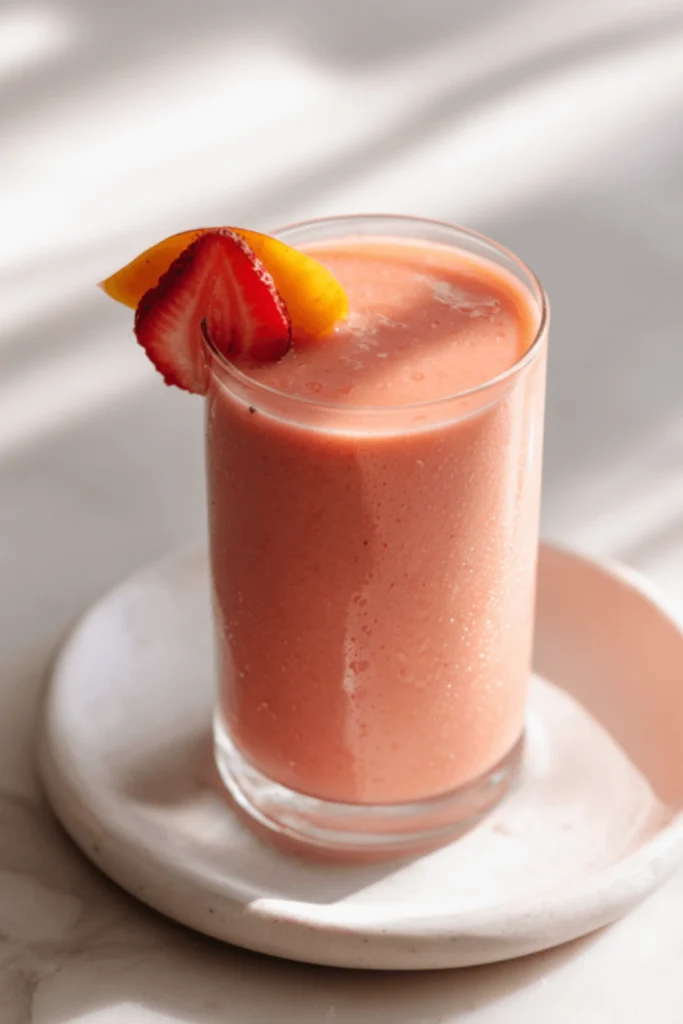
Prep Time: 5 minutes
Total Time: 10 minutes
Serves: 2
Ingredients:
- 1 cup frozen strawberries
- 1 cup frozen mango chunks
- 1/2 cup Greek yogurt (or plant-based alternative)
- 1/2 cup milk (dairy or plant-based)
- 1 tablespoon honey or maple syrup (optional)
- 1/2 teaspoon vanilla extract
- Pinch of salt
Instructions:
- Start with liquids: Pour your milk and yogurt into the blender. This helps the blades move more easily.
- Layer the fruits: Add frozen strawberries first, followed by mango chunks. This helps push the mango toward the blades.
- Flavor boosters: Drop in honey (optional), vanilla extract, and a pinch of salt to enhance the overall flavor.
- Blend: Blend on high for 60-90 seconds until completely smooth. Don’t stop and start—let it blend continuously.
- Check consistency: If it’s too thick, add more milk. If too thin, add more frozen fruit.
- Taste and adjust: Add more honey or lime for extra sweetness or brightness.
- Serve immediately: Pour into chilled glasses for the best texture and flavor!
Recipe Variations
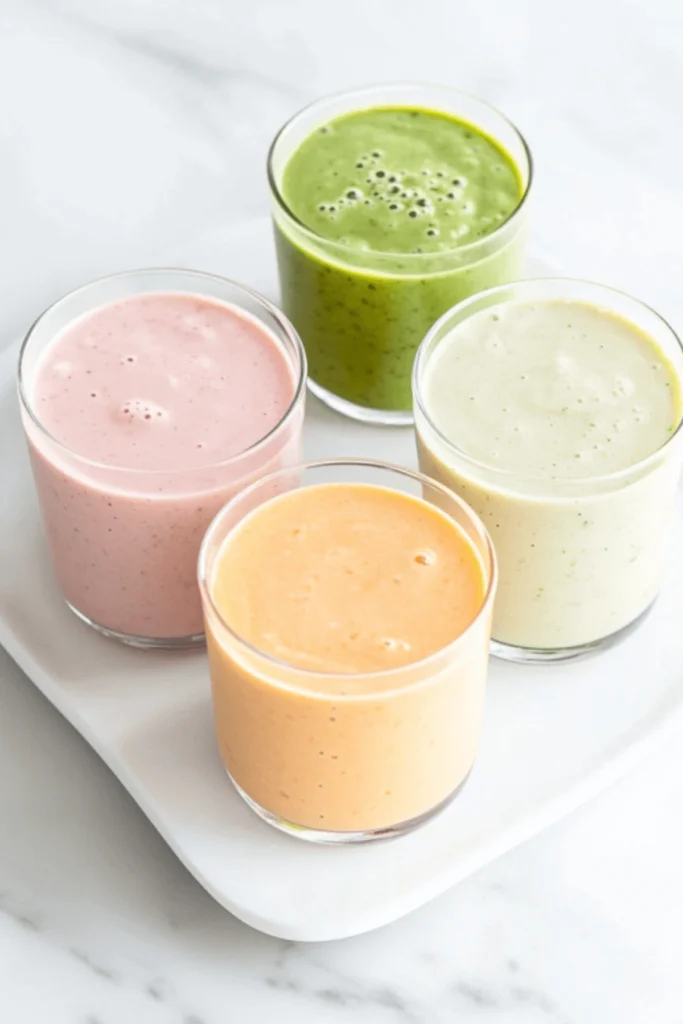
Protein-Packed Version
Want to make your smoothie a meal replacement or post-workout snack? Try adding:
- 1 scoop vanilla protein powder
- 1 tablespoon nut butter (almond or peanut butter)
- 1 teaspoon chia seeds
This version packs in around 25-30g of protein—perfect for muscle recovery! For more protein-boosting ideas, explore our protein smoothie options guide.
Vegan & Dairy-Free Version
For a plant-based option, substitute with:
- Coconut yogurt or cashew yogurt
- Oat milk or almond milk
- Natural sweeteners like maple syrup or dates
The frozen banana is key to adding a rich, creamy texture without any dairy. Find more inclusive recipes in our dietary-friendly smoothie options.
Low-Sugar/Keto-Friendly Alternatives
For a low-carb, keto-friendly option, swap:
- Full-fat coconut milk instead of dairy milk
- Cream cheese and MCT oil for healthy fats
- Use monk fruit or stevia as sweeteners
This variation is perfect if you’re watching your carb intake! Learn more techniques for reducing sugar in our healthy smoothie modifications guide.
Smoothie Storage & Prep: Freeze, Thaw, Make-Ahead Tips
Smoothie prep doesn’t have to be a hassle. Here’s how you can save time:
- Make-ahead packs: Portion out your frozen fruits and dry add-ins into bags. Label them with the liquid requirements.
- Freezing: Freeze the smoothie base (fruits and other ingredients) and blend with liquid when ready to enjoy.
- Storage: Smoothies can be stored in the fridge for up to 24 hours. Freezing the smoothies in jars or ice cube trays helps maintain texture.
Superfood Add-Ins: Greens, Seeds, & More
To pack an extra nutritional punch, try adding:
- Chia seeds: High in omega-3s, fiber, and protein
- Ground flaxseeds: Great for fiber and anti-inflammatory benefits
- Spinach: A mild green that won’t affect the flavor but adds a lot of nutrients
Best Blend Ratios: Stick to the 80/20 rule—keep your superfood additions to no more than 20% of the total smoothie volume to maintain great taste.
For more ideas on enhancing your smoothie’s nutritional profile, check out our healthy smoothie modifications guide.
Smoothie Bowl Style
Smoothie bowls are all the rage, and strawberry mango is the perfect base. Here’s how to make them:
- Base: Use 1 cup frozen strawberries and 1 cup frozen mango for a thick consistency
- Toppings: Go for granola, coconut flakes, chia seeds, and fresh fruits like kiwi or blueberries
Pro Tip: Arrange your toppings in sections for that Instagram-worthy look!
For a complete comparison between smoothie bowls and drinks, plus styling tips, visit our smoothie bowl guide.
Troubleshooting Your Smoothie
Not every smoothie blends perfectly every time. Here are some solutions:
- Too thick? Add liquid, 1 tablespoon at a time
- Too thin? Add frozen fruit or a frozen banana
- Bland? A pinch of salt, a squeeze of lime, or a touch of vanilla extract can elevate flavors
For equipment-related troubleshooting, our blender guide covers common issues.
FAQs + Reader Favorites
Here are some frequently asked questions from our readers, along with some extra tips to help you get the most out of your strawberry mango smoothies:
Can I use canned fruit in my smoothie?
Yes, canned fruit can work in a pinch, but fresh or frozen fruit is always preferred, especially when it comes to texture. Canned fruit, while convenient, may not provide the same consistency or vibrant flavor as fresh or frozen fruit. If you do use canned fruit, make sure it’s packed in juice rather than syrup to avoid unnecessary added sugars. You may also want to drain the liquid to prevent your smoothie from becoming too watery.
What milk tastes best in strawberry mango smoothies?
When it comes to choosing the right milk for your smoothie, it depends on the flavor and texture you’re after.
For a neutral flavor that won’t overpower the fruit, whole milk or oat milk is a great choice. Both provide a smooth and creamy texture while allowing the fruit’s natural flavors to shine.
If you’re craving a more tropical vibe, I highly recommend coconut milk (canned variety). It’s rich, creamy, and adds a delicious hint of coconut flavor that pairs beautifully with mango and strawberries.
You can also experiment with other plant-based milks, like almond milk, soy milk, or rice milk, depending on your dietary needs and taste preferences.
Can I make a strawberry mango smoothie ahead of time?
Yes, you can! Making smoothies ahead of time is a great way to save time on busy mornings. Store your smoothie in an airtight container in the refrigerator for up to 24 hours. Separation is normal, so just give it a stir or re-blend it before enjoying. You can also prep smoothie packs by portioning out your frozen fruits and ingredients, storing them in the freezer for quick blending when needed.
How do I make my smoothie thicker without using dairy?
otions:
Frozen fruit (like frozen bananas, mango, or avocado) is perfect for thickening smoothies without adding dairy.
Chia seeds or flaxseeds can also thicken your smoothie and provide a boost of fiber and omega-3 fatty acids.
Silken tofu is a fantastic non-dairy thickener that also adds a smooth texture.
By adding just the right amount of these ingredients, you’ll achieve the perfect thickness without relying on dairy products.
Can I use protein powder in my strawberry mango smoothie?
Absolutely! Adding a scoop of protein powder is a great way to make your smoothie more filling, especially if you’re using it as a meal replacement or post-workout snack. Vanilla protein powder complements the sweet flavor of the fruits, but you can also try plant-based protein powders like pea, hemp, or soy if you prefer a dairy-free option.
What’s the best way to store frozen fruit for smoothies?
To keep your fruit fresh for longer, freeze it in airtight containers or resealable bags. Portion out the fruit in smoothie-sized servings so you can grab and blend it quickly when you’re ready. For a little extra convenience, freeze fruits like mangoes, strawberries, or bananas in individual ice cube trays or muffin tins for perfect smoothie-sized portions!
The Ultimate Guide to Strawberry Mango Smoothie
- Total Time: 10 minutes
- Yield: 2 servings 1x
- Diet: Vegetarian
Description
A refreshing, fruity blend of strawberries and mangoes with a creamy touch—perfect for a quick breakfast or energizing snack!
Ingredients
- 1 cup frozen strawberries
- 1 cup frozen mango chunks
- 1/2 cup Greek yogurt (or plant-based alternative)
- 1/2 cup milk (dairy or plant-based)
- 1 tablespoon honey or maple syrup (optional)
- 1/2 teaspoon vanilla extract
- Pinch of salt
Instructions
- Pour milk and yogurt into the blender first to help the blades move easily.
- Add frozen strawberries followed by mango chunks.
- Add honey (optional), vanilla extract, and a pinch of salt.
- Blend on high for 60-90 seconds until smooth.
- If too thick, add more milk. If too thin, add more frozen fruit.
- Taste and adjust sweetness or brightness as needed.
- Serve immediately in chilled glasses.
Notes
For a tangy twist, squeeze in a little lime juice or add a few fresh mint leaves before blending.
- Prep Time: 5 minutes
- Category: Beverage
- Method: Blended
- Cuisine: International
Nutrition
- Serving Size: 1 glass
- Calories: 150
- Sugar: 20g
- Sodium: 60mg
- Fat: 2g
- Saturated Fat: 1g
- Unsaturated Fat: 1g
- Trans Fat: 0g
- Carbohydrates: 30g
- Fiber: 3g
- Protein: 5g
- Cholesterol: 5mg
Ready to Blend?
Now that you know all the tips and tricks, it’s time to create your perfect strawberry mango smoothie. Whether you prefer it thick as a bowl or drinkable as a smoothie, experiment and get creative with these variations!
Looking for more specialized recipes? Check out our dietary-friendly options for family-friendly recipes that everyone will love.
Related Reading:
- Smoothie Bowl Creations
- Blender Equipment & Reviews
- Protein-Enhanced Smoothies
- Healthy Smoothie Modifications
- Dietary-Friendly Smoothie Options
Love this recipe? Pin it on Pinterest so you can find it easily next time