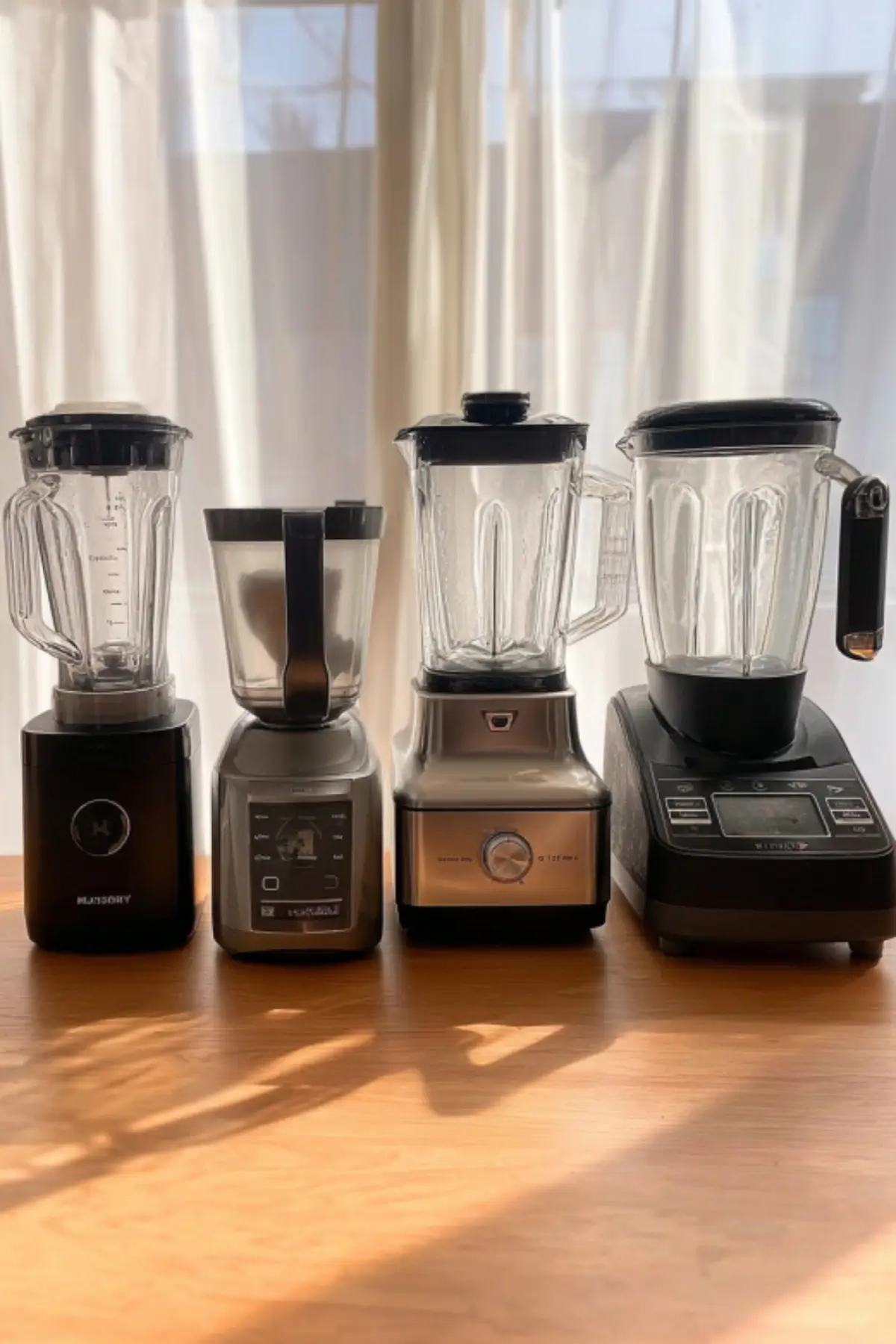
Best blender buying guide: Buying a blender shouldn’t feel like decoding rocket science, but walk into any appliance store and you’ll face a bewildering wall of options. From $30 basic models to $500 professional machines, the choices can leave you paralyzed with indecision.
Here’s the truth: most people overthink blender shopping. You don’t need to understand every technical specification or fall for marketing buzzwords. What you need is a clear framework for matching the right blender to your actual needs not the idealized version of yourself who might make green smoothies every morning.
After testing dozens of blenders and helping hundreds of people find their perfect match, I’ve distilled blender shopping down to what actually matters. Let’s cut through the confusion and get you blending.
Understanding Your Blender Needs: The Foundation
Before you even look at specifications, ask yourself these three crucial questions:
What will you actually blend? Be honest. If you’re dreaming of daily green smoothies but currently grab coffee and pastries, start with occasional fruit smoothies as your baseline. Planning for reality, not aspiration, leads to better purchases.
How often will you really use it? Daily users can justify premium features and higher prices. Weekend smoothie makers need reliability, not professional-grade power. Occasional users should prioritize simplicity and value.
What’s your kitchen situation? Counter space, storage, and noise tolerance all matter more than you think. A powerful blender that sits unused because it’s too loud for morning use isn’t a good investment.
Power and Performance: What the Numbers Really Mean
Motor Wattage: Your Smoothie Success Foundation
The motor is your blender’s heart, but wattage alone doesn’t tell the whole story.
300-500 Watts: The Strugglers These entry-level motors handle soft fruits and liquids but fail miserably with frozen ingredients. Ice cubes become their kryptonite, and you’ll spend more time shaking and stirring than blending. Skip this range if smoothies are your goal.
600-900 Watts: The Sweet Spot for Most Users This range handles frozen fruit reliably without breaking the bank. You’ll get smooth results with proper technique, though you might need to pause and scrape sides occasionally. Perfect for daily smoothie makers who want dependable performance.
1000+ Watts: The Powerhouses These motors bulldoze through anything—frozen fruit, ice, even nuts and seeds. They create silkier textures faster, but they also cost more and consume more counter space. Worth it for serious smoothie enthusiasts or families making large batches.
Pro tip: Ignore “peak horsepower” claims. Look for continuous wattage ratings—that’s what matters for sustained blending performance.
Blade Design: Where Geometry Meets Gastronomy
Sharp blades matter, but blade geometry matters more. The best smoothie blenders feature:
Multiple Cutting Levels Blades positioned at different heights create better circulation, pulling ingredients down while cutting efficiently. Single-level blades leave dead zones where ingredients can hide.
Varied Angles Different blade angles attack ingredients from multiple directions. This creates the vortex action that distinguishes premium blenders from basic choppers.
Quality Materials Stainless steel stays sharper longer and handles dishwasher cleaning. Hardened steel, found in premium models, maintains its edge even with daily use.
Container Considerations: Size, Shape, and Material Matter
Finding Your Perfect Size
Personal Size (16-24 oz) Perfect for single servings and small kitchens. These portable containers often double as drinking cups, making cleanup effortless. Ideal for portion control but limiting for families.
Family Size (48-64 oz) The standard for household blenders. Accommodates multiple servings while maintaining efficient blending action. Large enough for meal prep but not overwhelming for single servings.
Commercial Size (64+ oz) Overkill for most home users. These massive containers require more ingredients to blend effectively and take up significant storage space.
Material Choices: Glass vs. BPA-Free Plastic
Glass Containers: The Premium Choice
- Never absorb odors or stains
- Completely scratch-resistant
- Dishwasher-safe without concerns
- Premium feel and appearance
- Heavier and more fragile
- More expensive to replace
BPA-Free Plastic: The Practical Option
- Lightweight and shatter-resistant
- More affordable to replace
- Better for households with children
- May absorb strong odors over time
- Can scratch or cloud with use
For smoothies specifically, high-quality BPA-free plastic performs identically to glass. Choose based on your priorities: glass for purity and longevity, plastic for practicality and safety.
Blender Types: Finding Your Perfect Match

Personal/Bullet Blenders: Convenience Champions
These compact powerhouses excel at single-serving smoothies with minimal cleanup.
Best For:
- Singles and couples
- Small kitchens
- Quick morning routines
- Portion control
- First-time smoothie makers
Limitations:
- Limited batch sizes
- Less versatility for other tasks
- Can struggle with large frozen chunks
- Not ideal for entertaining
Full-Size Countertop Blenders: The Versatile Workhorses
Traditional blenders offer more power and flexibility for diverse kitchen tasks.
Best For:
- Families
- Meal preppers
- Versatile cooking needs
- Large batch smoothies
- Long-term kitchen investment
Considerations:
- Require significant counter space
- Higher initial investment
- More complex cleaning
- Potential overkill for simple smoothie needs
Essential Features That Actually Improve Your Experience
Must-Have Features
Pulse Function Breaks up initial frozen chunks without creating smoothie soup. Essential for proper texture development and preventing ingredient sticking.
Multiple Speed Settings Start slow to draw ingredients down, then ramp up for final smoothness. Fixed-speed blenders often struggle with proper ingredient incorporation.
Easy-Clean Design Look for removable blade assemblies and dishwasher-safe components. Self-cleaning cycles save time and ensure proper hygiene.
Nice-to-Have Features
Preset Programs Convenient for beginners but not essential. Good manual control often provides better results than generic presets.
Tamper Tool Safely pushes ingredients toward blades without stopping the motor. Essential for thick smoothie bowls or minimal-liquid recipes.
Sound Dampening Important for early morning smoothies or apartment living. Some premium models reduce noise by 40% or more.
Brand Landscape: Who Makes What Best
Premium Tier ($250-500): Professional Performance
- Vitamix: Industry gold standard for smoothie texture and durability
- Blendtec: Similar performance with innovative jar designs
- High-end Breville: Premium features with thoughtful design
Amazon shop
- Vitamix Ascent X3 Blender
- Blendtec Original Designer Series Blender and 90 Oz
- Breville BJE530BSS Juice Fountain Cold Plus, 70 oz
Mid-Range Champions ($100-250): Best Value Territory
- Ninja: Excellent power-to-price ratio with innovative blade systems
- Zwilling: German engineering at accessible prices
- Beast: Stylish design with impressive compact power
Amazon shop
- Vitamix 5200 Blender
- ZWILLING Enfinigy Power Blender, Piranha Teeth Winglet Blade for Ultimate Blending
- Beast Blender Tonal | Kitchen Countertop Design | Blend
Budget Winners ($50-120): Smart Starter Options
- NutriBullet: Reliable daily performance for beginners
- Hamilton Beach: Surprising capability at entry-level prices
- Oster: Classic designs with solid frozen fruit handling
Amazon shop
- NutriBullet Special Edition NutriBullet Pro 900 – Watt Blender
- Blenders for Kitchen, Smoothie Blender
- Oster Classic Series 16 Speed Blender with Food Chopper and Glass Jar Brushed Nickel
4 Common Buying Mistakes to Avoid
Overbuying for Imaginary Needs
Don’t purchase a commercial-grade blender for occasional smoothies. Match your investment to your actual usage patterns, not aspirational goals.
Underestimating Power Requirements
Frozen fruit demands serious wattage. Skimping on motor power leads to frustrating experiences and chunky disappointments.
Ignoring Kitchen Integration
Consider counter space, storage requirements, and noise tolerance. The best blender is one you’ll actually use consistently.
Focusing Only on Price
Both extreme budget and needlessly expensive options can disappoint. The middle ground often provides the best value and performance balance.
Making Your Final Decision: A Practical Framework
For Daily Smoothie Makers
Invest in quality. A mid-range to premium blender will pay for itself in reliability and performance. Look for 900W+ motors and quality warranties.
For Weekend Warriors
Mid-range models provide excellent performance without premium pricing. Focus on ease of use and cleaning over maximum power.
For Occasional Users
Budget options work fine for infrequent use. Prioritize simplicity and value over advanced features you won’t utilize.
For Families
Larger capacity models with durable construction handle multiple servings and heavy use. Consider long-term investment value.
Your Next Steps
Ready to move from theory to practice? Once you’ve identified your needs and budget range, it’s time to examine specific models that deliver real-world performance.
For detailed testing results and specific recommendations, check out our comprehensive reviews of the best blenders for fruit smoothies, where we put top models through rigorous strawberry mango smoothie tests.
Remember: the perfect blender isn’t the most expensive or feature-packed—it’s the one that fits your actual needs and gets used consistently. Choose wisely, blend happily, and enjoy your smoothie journey.
Ready to dive deeper? Explore our detailed blender reviews and smoothie technique guides to maximize your blending success.
FAQs
What is the best wattage for a blender for smoothies?
For smoothies, the best blender wattage is at least 600 watts. This power level can handle frozen fruits and ice without stalling. Serious smoothie makers may prefer 900 watts or more for faster, smoother blends and better performance with tough ingredients.
What is the best wattage for a blender for smoothies?
Glass jars are scratch-resistant and don’t absorb odors, offering a premium feel. BPA-free plastic jars, on the other hand, are lighter, more durable for daily use, and safer for homes with kids. For most users, high-quality BPA-free plastic performs just as well for smoothies.
3. What type of blender is best for beginners?
Personal or bullet blenders are best for beginners. They’re compact, easy to clean, and ideal for single-serving smoothies. Brands like NutriBullet and Ninja offer affordable, reliable options that help new users blend quickly without the learning curve.